Toyota Corolla
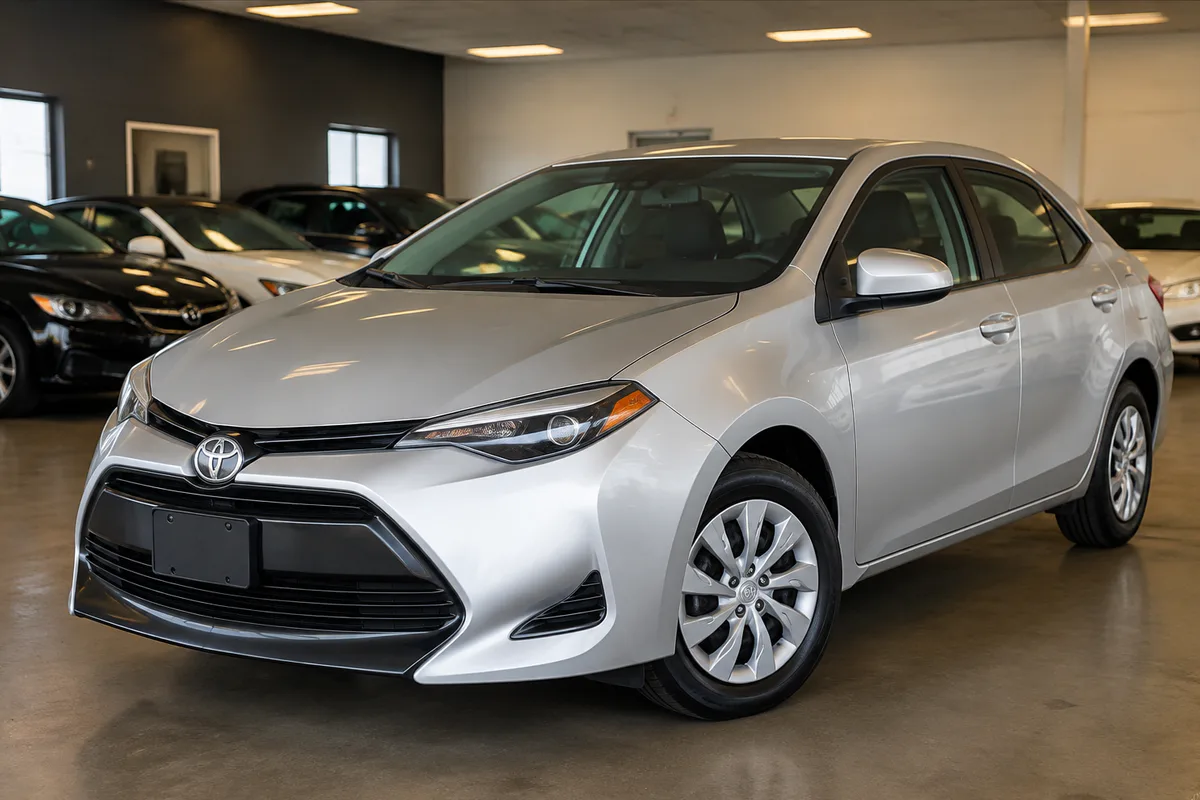
The low-drama compact sedan, chosen for predictable cost of ownership rather than excitement.
Get ePrice View details →

Used Toyota inventory
Toyota engineering is built on slow iteration. A component that works is carried across model generations and refined rather than replaced, so a used Toyota is usually running hardware that has already been in service, and in front of mechanics, for a decade. Predictability rather than novelty is the product.
Currently in stock2 matchesIn stock now
Used inventory turns over. Call 516-785-9378 to confirm a vehicle before you travel to Wantagh.
The low-drama compact sedan, chosen for predictable cost of ownership rather than excitement.
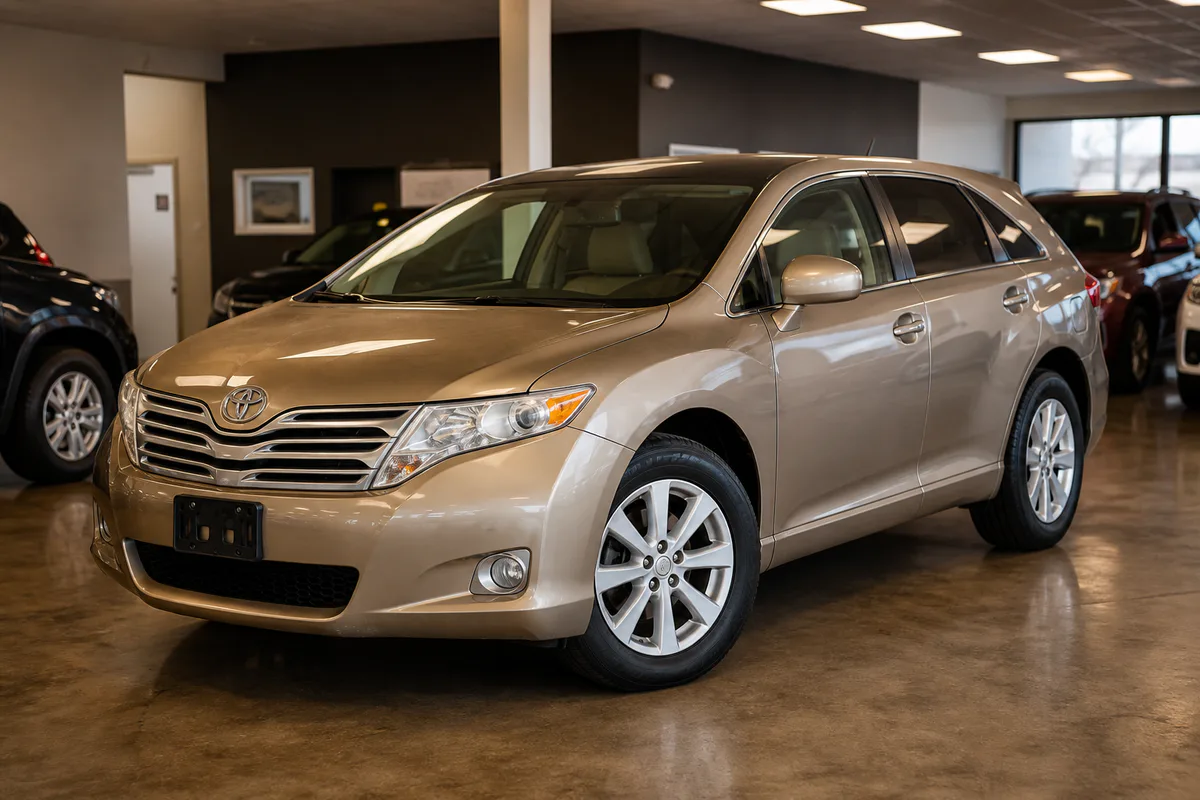
A wagon-shaped crossover that rides better than most SUVs and loads like one.
Vehicle details are based on dealership records. Pricing, mileage, equipment, and availability should be confirmed with Cherrywood Auto before making a trip or a purchase decision. Vehicles listed without a price are quoted by phone.
The short answer
The engineering culture is conservative in the useful sense. Toyota validates a design over a long period and then keeps it, which is why its four-cylinder engines and six-speed automatics feel familiar across very different vehicles. For a used buyer the practical benefit is that failure modes are documented, parts are stocked everywhere, and almost any independent shop on Long Island has seen the problem before.
The hybrid system is the clearest example. Toyota has been building the same fundamental power-split hybrid architecture since the late 1990s, refining it each generation rather than starting over, and the result is a drivetrain with a strong record of high-mileage service in taxi and delivery use.
Safety content is the third area. Toyota made Safety Sense standard equipment across entire model lines earlier than most of the industry, which means even a base 2017 Corolla has automatic emergency braking and adaptive cruise control, features that were still optional on much more expensive cars that year.
Going deeper
The Corolla is the compact, chosen almost entirely for low and predictable running cost. The Camry above it is a midsize sedan with a longer wheelbase, more insulation, and an available V6, and it is the better car over distance. The Prius sits alongside both as the fuel economy specialist.
On the taller side, the RAV4 is the compact crossover, the Highlander the three-row family vehicle, and the Venza an unusual middle case: a wagon-shaped crossover on Camry underpinnings with a low load floor, generous rear legroom, and a conventional six-speed automatic instead of a CVT.
Then there is the truck line. The Tacoma and Tundra are body-on-frame vehicles with strong resale and a very different ownership profile from the cars, and the Sienna covers minivan duty. The lineup rarely leads a class on driving enjoyment, which is a fair criticism and an honest part of the trade.
The trade-off
Because these cars are bought for durability, they often accumulate high mileage in the hands of owners who assume nothing needs doing. Service history therefore matters more here than on almost any other make. Ask specifically about transmission fluid, coolant, and spark plugs, since a Toyota that has been treated as maintenance-free for eight years is still a car with eight years of skipped services.
Certain engines and model years deserve targeted questions. The 2.4L four used in several models during the late 2000s can consume oil as it ages, so ask about consumption between changes and check the level yourself on a cold engine. On a hybrid, request a battery health check with a scan tool rather than accepting that the car starts and drives.
Corrosion is the last item and the most important one locally. Toyota ran corrosion-related campaigns on the frames and rear crossmembers of certain trucks and SUVs, so run the vehicle identification number for open campaigns and inspect the underbody carefully. If nothing currently listed suits you, use the car finder to tell us which model and generation to look for.
Before the test drive
Category-specific checks. Bring this list, or ask us to walk through it with you on the lot.
Useful answers
Often, but not automatically. The resale premium is real and it means you pay more up front for the same year and mileage. The value comes from predictable running costs and long service life, which pays back over years of ownership rather than at the moment of purchase. A neglected Toyota is still a neglected car.
Two hundred thousand miles is not unusual on a well-maintained example, so the mileage figure alone rarely decides the question. Look instead at whether the scheduled services were performed, how the underbody has weathered Long Island winters, and whether the suspension and bushings have been renewed.
Less than most buyers expect. These packs commonly last well beyond 150,000 miles, and replacement costs have fallen considerably with reconditioned and aftermarket options. The sensible step is a battery state of health check before purchase, which a shop can perform in minutes with the right scan tool.
It is the bundle of driver assistance features covering pre-collision braking, lane departure alert, automatic high beams, and on most versions adaptive cruise control. Toyota standardized it across entire model lines unusually early, so even base trims from 2017 onward frequently have it. Verify it on the individual vehicle.
Not seeing it?
Describe the make, model, body style, budget, and the features that actually matter. A clear brief is a better search than a broad one.