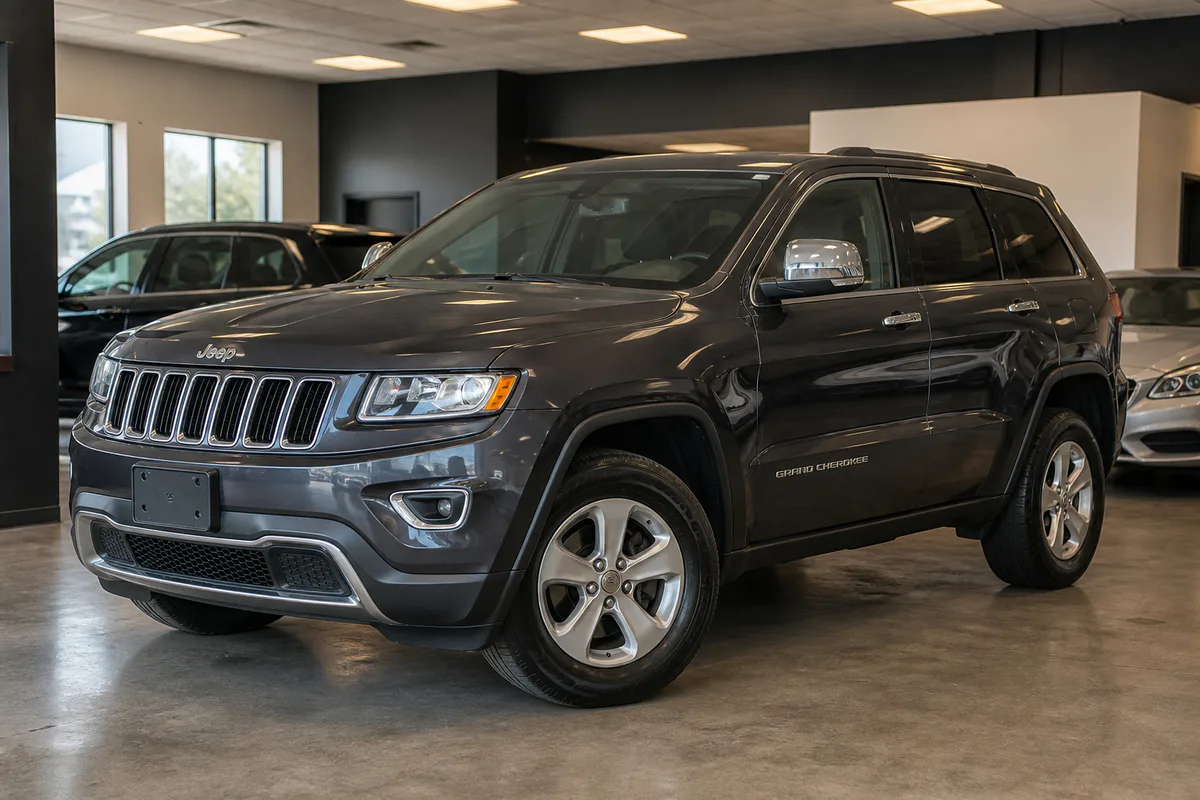
Jeep Cherokee
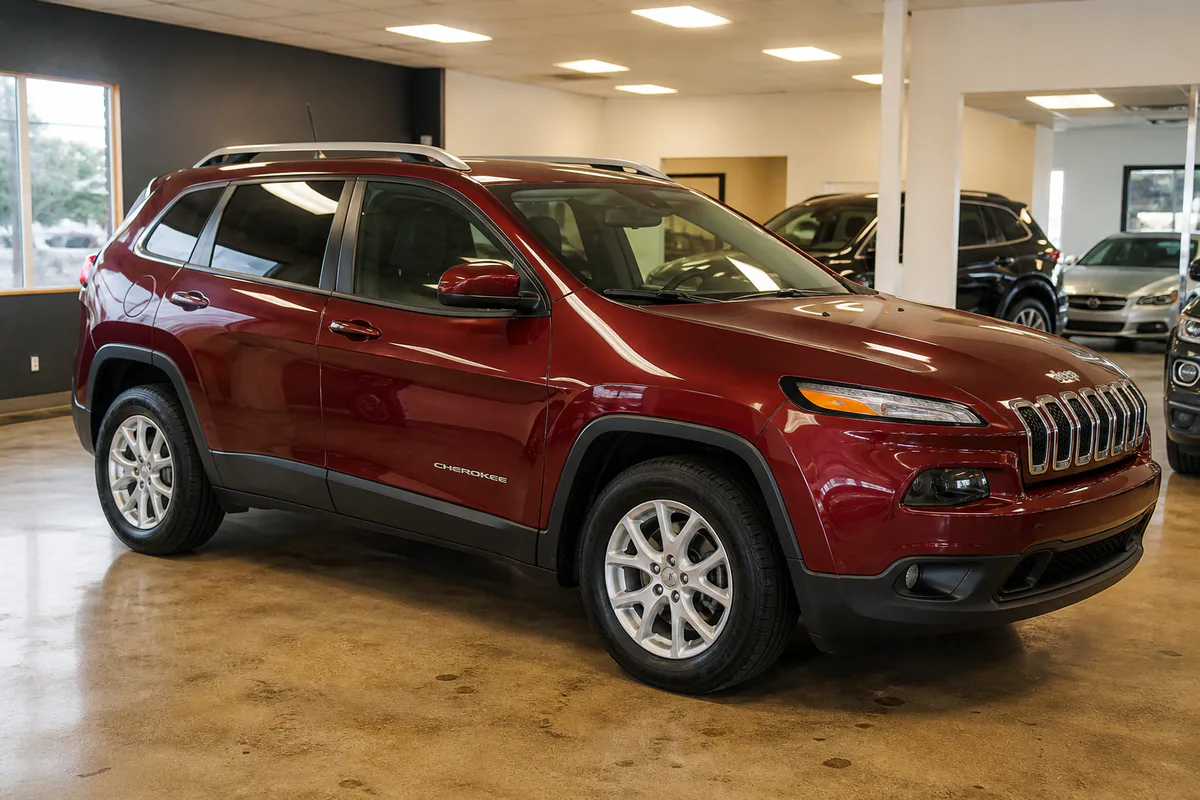
A compact SUV that keeps real off-pavement ability without a truck-sized footprint.
$21,495 View details →

AWD and 4x4 inventory
All-wheel drive and four-wheel drive both send power to all four corners, but they are built for different jobs. On-demand all-wheel drive works automatically on pavement, while a part-time 4x4 system with a transfer case is meant for sand, snow, and low-speed loose surfaces and must be switched off on dry roads.
Currently in stock8 matchesIn stock now
Used inventory turns over. Call 516-785-9378 to confirm a vehicle before you travel to Wantagh.
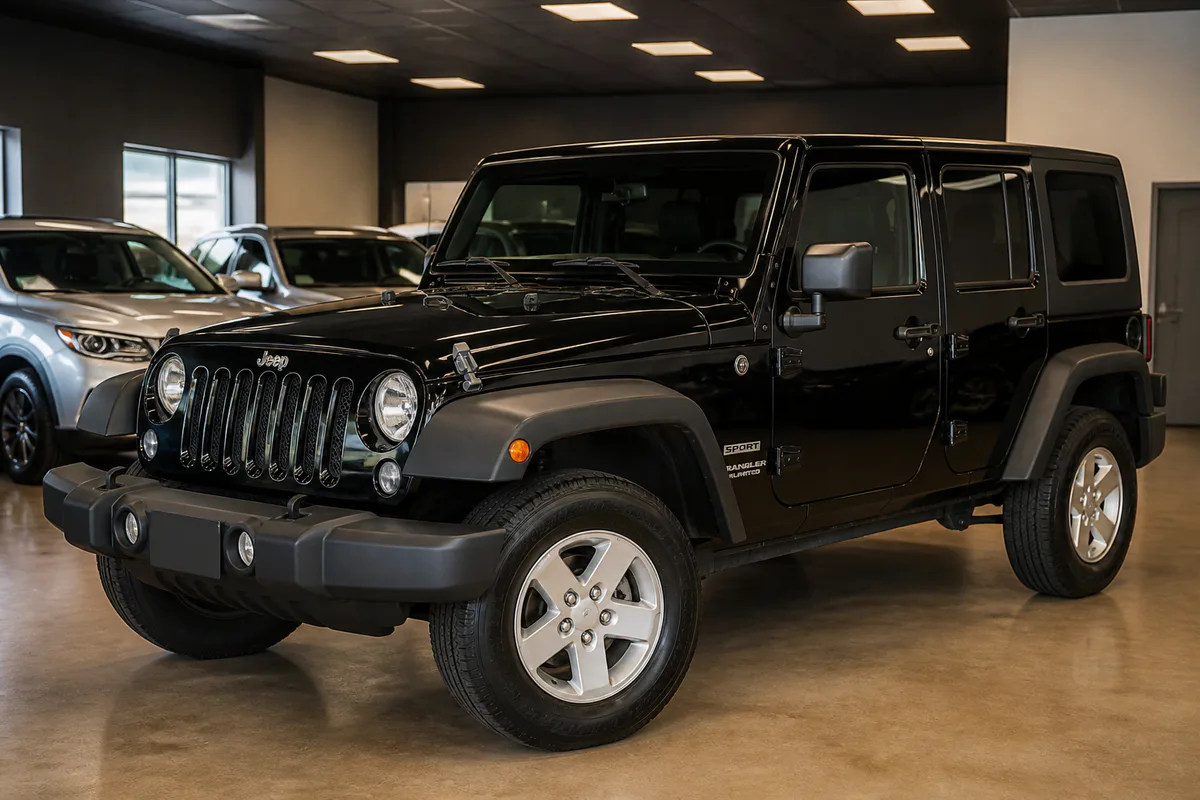
A compact SUV that keeps real off-pavement ability without a truck-sized footprint.
A midsize SUV that drives like a premium vehicle and tows like a truck.
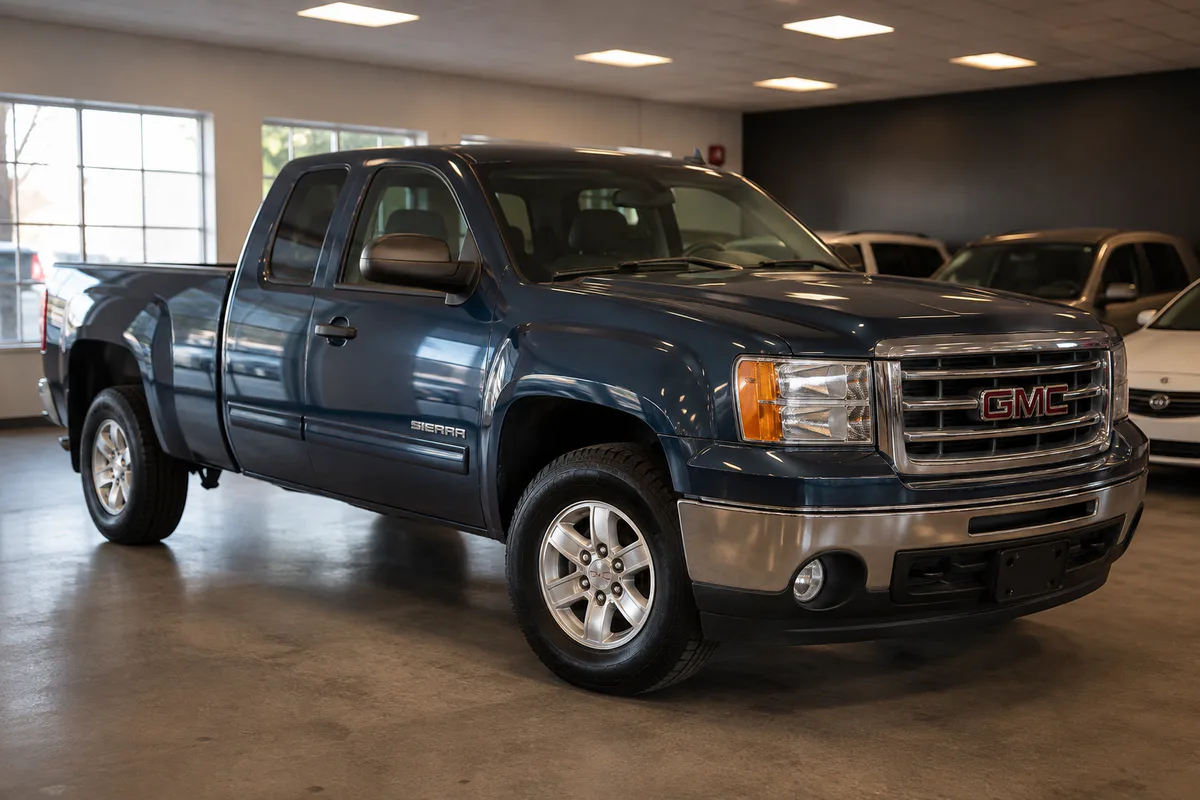
A half-ton work truck from the generation widely considered the most durable of its era.
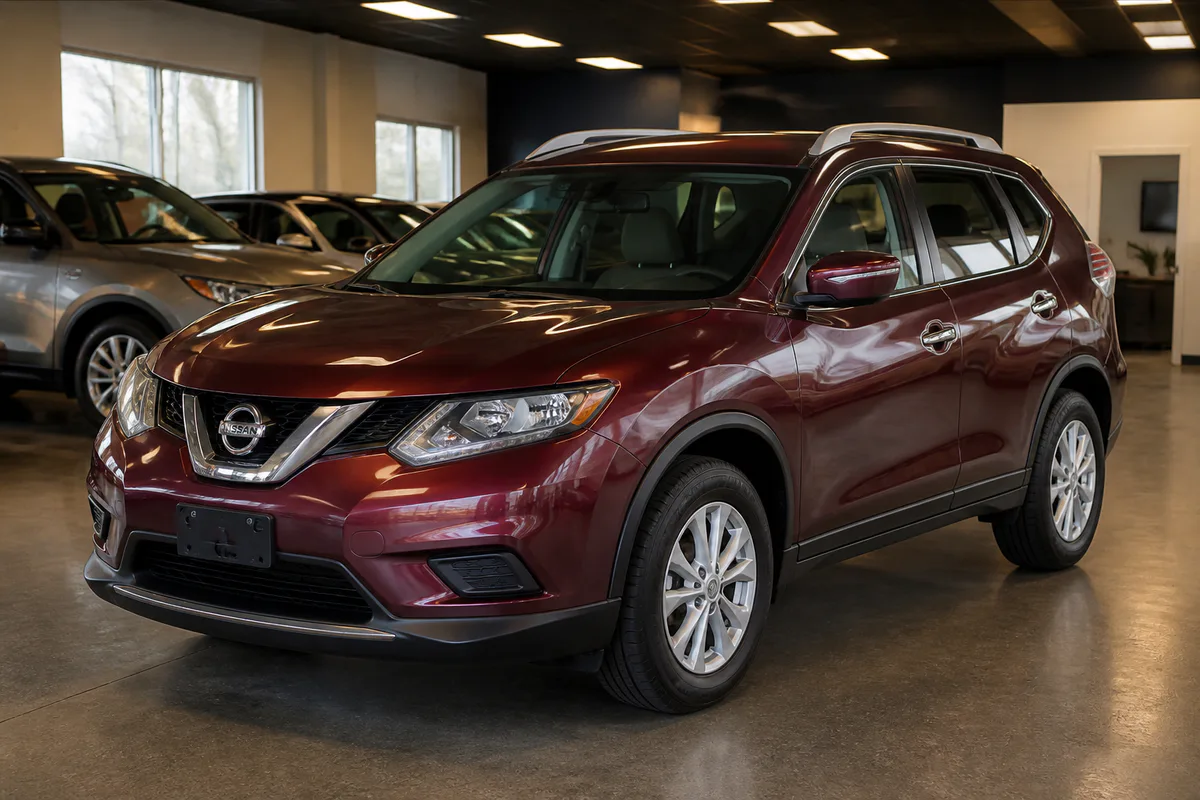
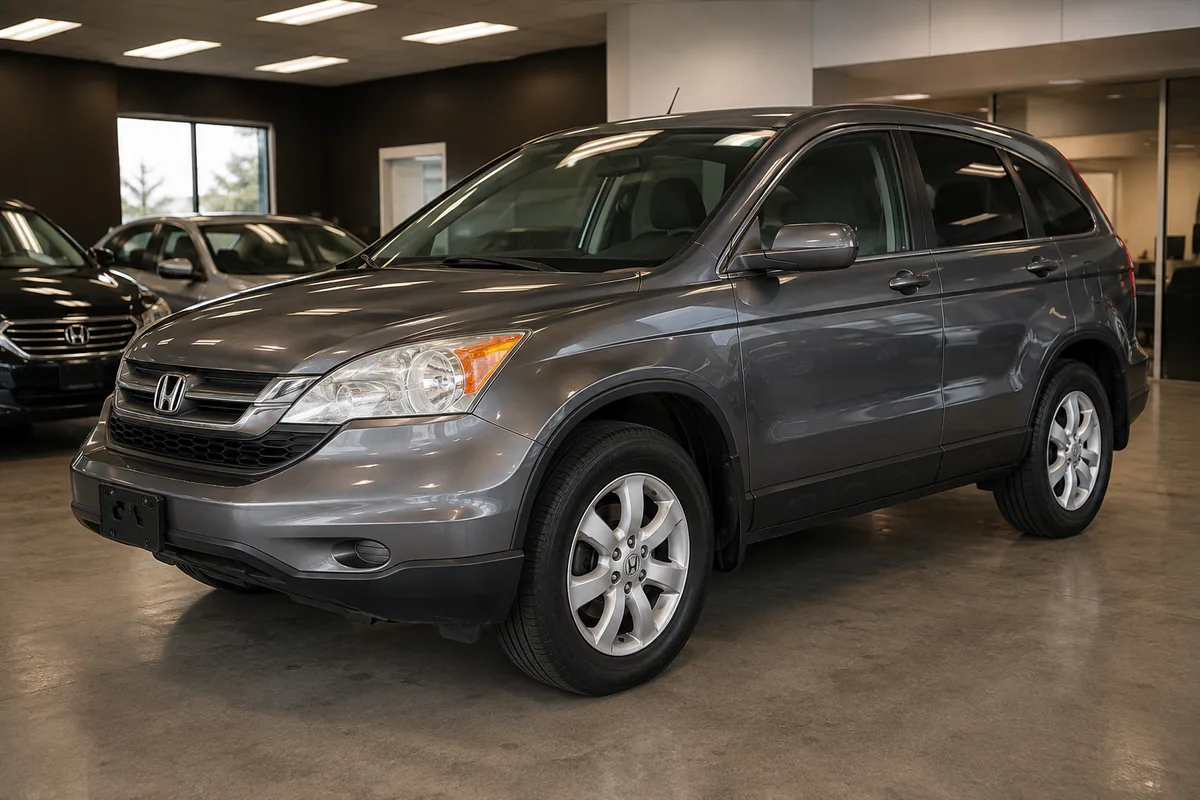
A compact crossover that prioritizes seat comfort, visibility, and cargo flexibility.
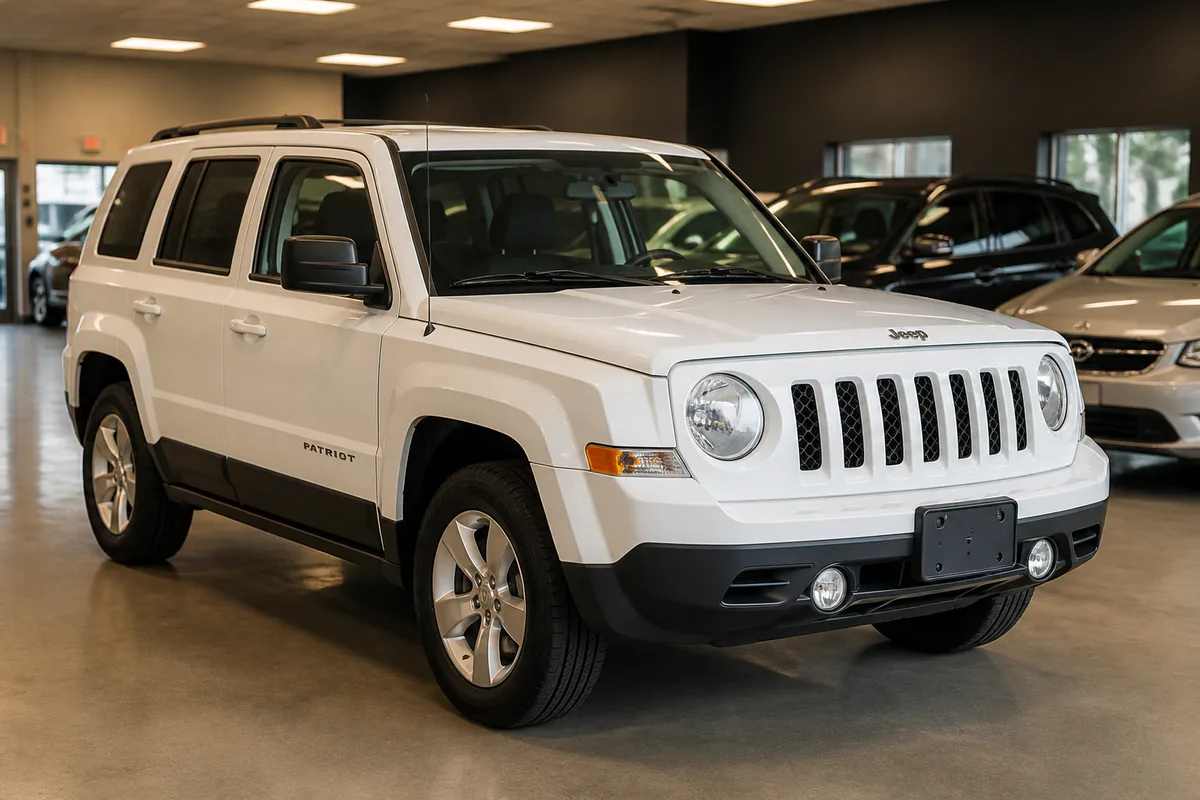
The most affordable way into a boxy, upright, easy-to-park small Jeep.
The one vehicle here bought for what it can do rather than what it costs to run.
A high-mileage crossover chosen precisely because this generation tends to keep going.
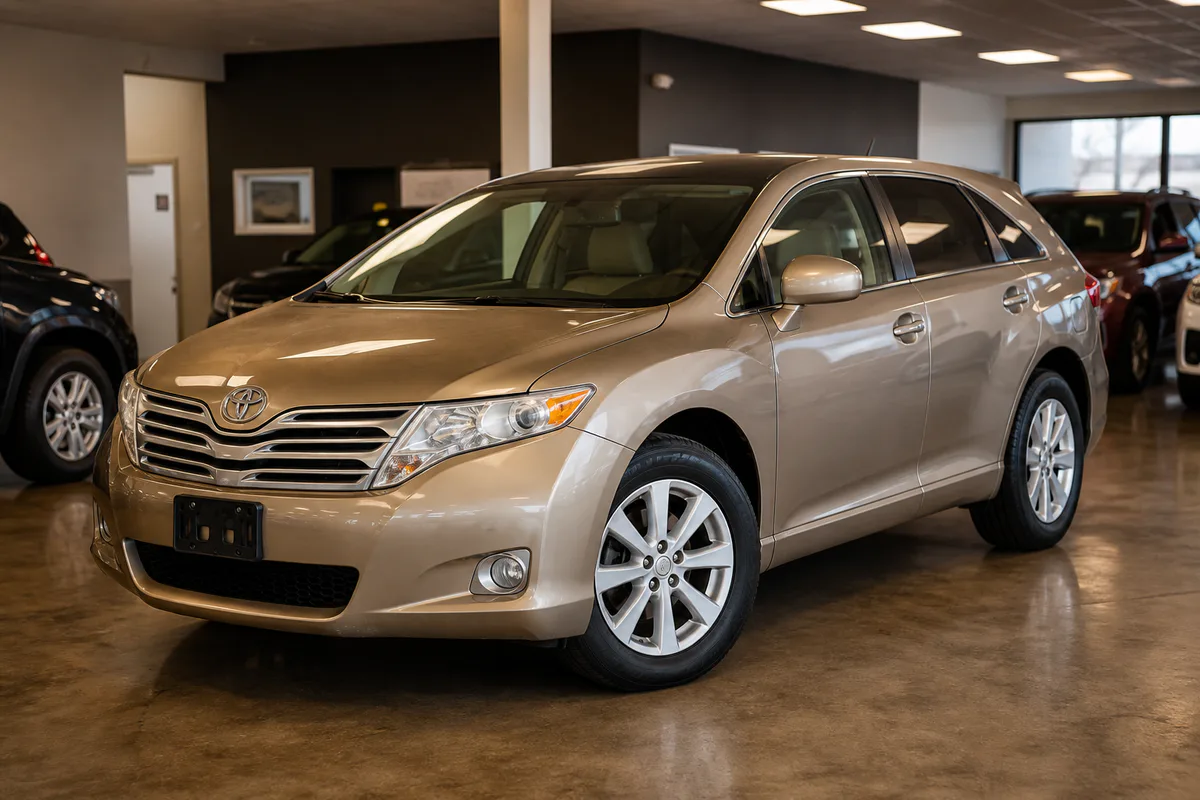
A wagon-shaped crossover that rides better than most SUVs and loads like one.
Vehicle details are based on dealership records. Pricing, mileage, equipment, and availability should be confirmed with Cherrywood Auto before making a trip or a purchase decision. Vehicles listed without a price are quoted by phone.
The short answer
On-demand all-wheel drive is what most crossovers use. The vehicle drives its front wheels, and an electronically controlled clutch pack sends torque rearward the moment a sensor detects slip. It needs no input from you, works at any speed on any surface, and is the right system for a driver who wants traction insurance without thinking about it.
Part-time four-wheel drive is the truck and traditional-SUV answer. A transfer case locks the front and rear driveshafts together at the same speed, which is why it must not be used on dry pavement: with no center differential the wheels cannot travel different distances through a turn, and the driveline binds. Many of these systems add a low range, which multiplies torque for launching a boat or crawling out of soft sand.
Between them sits full-time four-wheel drive, which uses a center differential so it can stay engaged on any surface, often with a lock and a low range as well. Knowing which of the three a vehicle has changes both how you drive it and what you should ask about its service history.
Going deeper
Main roads here are plowed quickly, so the case for four driven wheels is rarely about surviving a blizzard on Sunrise Highway. It is about the specific situations that strand people: a side street that waits its turn for the plow, a driveway with a slope and a crust of refrozen slush, or being on call and needing to leave before the road is cleared.
The other real uses are seasonal. Soft sand on a permitted beach access, a wet and weed-covered boat ramp at a South Shore marina, and a grass field turned to mud in October all defeat two driven wheels quickly. Low range, where a vehicle has it, is what turns a difficult ramp pull into an unremarkable one. If the vehicles matching this page are not the right size or price for you, the car finder lets you tell us the drivetrain and body style you want us to watch for.
The trade-off
A driven rear axle means a rear differential, a driveshaft with joints, and either a transfer case or a coupling unit, each with its own fluid and its own service interval. Those services are inexpensive and routine, but they are among the most commonly skipped items on a used vehicle, and neglecting the rear differential or the coupling fluid is what turns a small maintenance line into a large repair.
You also pay in weight and in tires. All-wheel-drive vehicles typically use one to three more miles per gallon than the two-wheel-drive version of the same model, and most manufacturers want all four tires replaced together so the rolling circumferences stay matched. Replacing a single damaged tire on a car with three worn ones can put continuous strain on the center coupling, so plan for sets rather than pairs.
Before the test drive
Category-specific checks. Bring this list, or ask us to walk through it with you on the lot.
Useful answers
No. All-wheel drive is generally automatic, always available, and designed for pavement and light slip. Four-wheel drive usually means a transfer case that locks the axles together, often with a low range, and on a part-time system it is intended for loose surfaces only. Both drive all four wheels, but they are engineered for different conditions.
Only if the vehicle has a full-time or automatic system with a center differential. On a part-time system, engaging four-wheel drive on dry pavement causes driveline binding, tire scrub, and eventually transfer case damage. The owner manual states which type the vehicle has, and it is worth confirming before you take delivery.
Modestly. Expect one or two extra fluid services compared with a two-wheel-drive vehicle, slightly higher fuel use, and tire replacement in complete sets rather than pairs. There is no large recurring expense as long as the differential and transfer case fluids are actually changed on schedule.
It helps a great deal, but airing the tires down is what actually does the work, along with steady momentum and low range if the vehicle has it. Beach access on Long Island also requires the proper permit and, in most places, specific recovery equipment carried in the vehicle. Check the rules for the beach you plan to use.
Not seeing it?
Describe the make, model, body style, budget, and the features that actually matter. A clear brief is a better search than a broad one.