
Buying a used car
Used Toyota RAV4 buying guide: best years and years to avoid
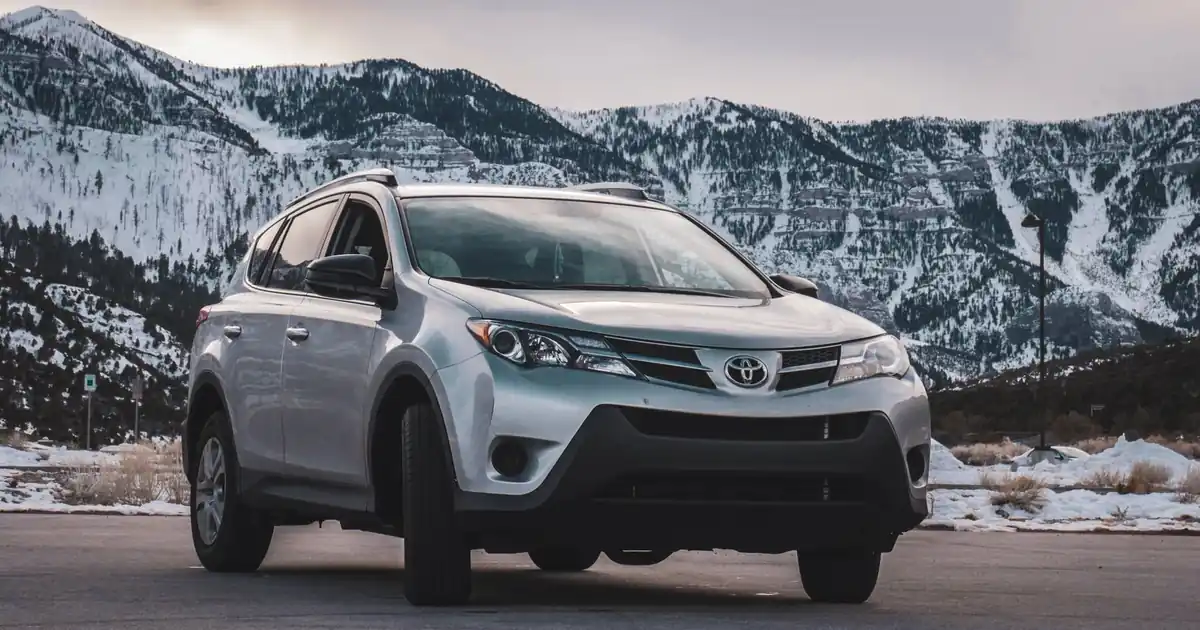
What are the best and worst years for a used Toyota RAV4?
The best used Toyota RAV4 years are 2021 and 2022, followed by 2016 to 2018 and the 2009 to 2012 models with the 2.5-liter engine. Avoid 2006 to 2008 for oil consumption, 2001 to 2003 for transmission problems, and 2019 for launch-year complaints and recalls. Treat 2013 and 2020 with caution.
Is a used Toyota RAV4 worth buying?
Usually, yes, as long as you pick the right year. The RAV4 arrived in the United States for 1996 as one of the first compact crossovers, and it has become the best-selling SUV in the country. RepairPal rates its reliability 4.0 out of 5, above average for the class, and well-kept examples commonly pass 200,000 miles.
That reputation is also the catch. Used RAV4s sell at a premium because buyers trust the badge, and some model years have problems that are expensive to inherit. The rest of this guide shows which years earn the premium and which do not.
Toyota RAV4 generations at a glance
The RAV4 has been sold in the United States since the 1996 model year, and each generation behaves differently as a used car. Knowing the generation tells you which engine and transmission you are buying, which problems are typical, and which recalls apply.
| Generation | Model years | Key facts for a used buyer |
|---|---|---|
| First | 1996–2000 | Small and basic; now mostly too old for a daily driver |
| Second | 2001–2005 | Early years had transmission and engine control module problems; 2004–2005 are the better years |
| Third | 2006–2012 | Larger body, optional V6; 2006–2008 2.4-liter burns oil, 2009 onward has a 2.5-liter |
| Fourth | 2013–2018 | 2.5-liter with a six-speed automatic; hybrid added for 2016 |
| Fifth | 2019–2025 | 2.5-liter with an eight-speed automatic, Hybrid, and the Prime plug-in hybrid |
| Sixth | 2026 onward | Every version is a hybrid or plug-in hybrid; too new for a reliability record |
Best and worst RAV4 years, ranked
Reliability sources do not agree on every year, so the verdicts below reflect where National Highway Traffic Safety Administration complaint and recall records, owner-reported problem databases, and owner surveys point the same way. Complaint totals are not adjusted for how many vehicles were sold, so a very popular year can look worse than it is, which is why years with mixed signals are marked caution rather than avoid.
| Model years | Verdict | Main reason |
|---|---|---|
| 2001–2003 | Avoid | Harsh shifting and transmission failures tied to the engine control module |
| 2004–2005 | Acceptable if cheap | Improved second generation, but now over twenty years old |
| 2006–2008 | Avoid | 2.4-liter engine prone to excessive oil consumption; steering shaft clunk |
| 2009–2012 | Good | 2.5-liter engine replaced the oil-burning 2.4; mature third generation |
| 2013 | Caution | First year of the fourth generation, with weaker owner satisfaction |
| 2014–2018 | Good | Proven four-cylinder and six-speed automatic; check the battery hold-down recall |
| 2019 | Avoid | Most complaints of any recent year and several significant recalls |
| 2020 | Caution | Shares many 2019 recalls; buy only with proof that they were completed |
| 2021–2022 | Best | Launch problems fixed; far fewer complaints and recalls |
| 2023–2024 | Good | Solid, with software recalls for the instrument panel and camera to confirm |
| 2025 | Good, limited data | Final fifth-generation year with few complaints so far |
| 2026 | Too new to judge | First year of the all-hybrid sixth generation |
RAV4 years to avoid and why
The 2006, 2007, and 2008 RAV4s with the four-cylinder engine are the clearest years to skip. Their 2.4-liter engine is well known for consuming oil because of a piston ring design that lets oil past into the combustion chamber. Toyota extended warranty coverage for the problem at the time, but that coverage has long expired. An engine that burns oil and is allowed to run low can fail, and the fix is either constant topping up or major engine work. These years also drew steering shaft complaints, usually a clunk when turning that is repaired by replacing the shaft.
The 2001 to 2003 second-generation models are on most avoid lists for shifting problems linked to the engine control module. Toyota extended coverage on that module to ten years or 150,000 miles, which has also run out on every one of them. Age alone makes these hard to recommend today.
The 2019 RAV4 was the first year of a full redesign, and it shows. Owners reported the eight-speed automatic hesitating or lurching at low speed, which Toyota addressed with a software update through a technical service bulletin rather than a recall, hybrid fuel tanks that stopped accepting fuel well before the gauge read full, and an engine maintenance warning that would not clear. It was also covered by several significant recalls, including a low-pressure fuel pump that could fail and stall the engine, porous engine castings on some 2.5-liter engines that could leak coolant, front lower suspension arms that could crack, and, on a small batch of vehicles, water entering the electric power steering gear. A 2019 with every recall completed can be a decent car, but the 2021 and 2022 models are a safer use of the same money.
The 2013 model, the first year of the fourth generation, and the 2020 model, which shares many of the 2019 recalls, are caution years rather than outright avoids. On a 2013, owners commonly report a shudder from the torque converter in stop-and-go driving and an infotainment unit that reboots itself; neither was ever covered by a recall. Look harder at service records and recall completion on either year.
There is a pattern behind every bad RAV4 year: they cluster at the launch of a new generation or a new powertrain. The second, third, and fourth years of a generation are where the problems have been engineered out, which is why the best years sit in the middle of each cycle.
Best RAV4 years to buy used
The 2021 and 2022 RAV4s are the strongest used buys today. J.D. Power gave the 2022 a quality and reliability score of 87 out of 100. By the third and fourth years of the fifth generation, Toyota had addressed most of the launch problems, and both years show a fraction of the 2019 complaint count. They have modern safety equipment, the efficient 2.5-liter engine, and, in hybrid form, real-world fuel economy in the high 30s or better.
If your budget is lower, the 2016 to 2018 fourth-generation RAV4s are proven and simple. They pair the 2.5-liter engine with a conventional six-speed automatic, which has a good durability record, and the 2016 to 2018 hybrids offer excellent fuel economy for the price. J.D. Power scored the 2016 at 86 and the 2018 at 88 out of 100 for quality and reliability. On all-wheel-drive models of this generation, listen for a grinding or whining from the rear, a sign of a worn rear coupling, and check the headliner for water stains from clogged sunroof drains. On any 2013 to 2018 RAV4, confirm the battery hold-down recall was done: a replacement battery with a smaller top could shift in its clamp and short against the hold-down, creating a fire risk.
Further back, the 2009 to 2012 third-generation models with the 2.5-liter engine avoid the oil consumption of the earlier 2.4 and can still make good inexpensive transportation, provided the mileage and rust are reasonable.
Most common used RAV4 problems by generation
Each generation has its own weak spots. Knowing them tells you exactly what to look for on a test drive and in the service records, and what a problem is likely to cost if it shows up after you buy.
| Problem | Model years | What you notice | Cost to you today |
|---|---|---|---|
| Harsh shifting tied to the engine control module | 2001–2003 | Slipping, harsh or delayed shifts | Owner-paid; Toyota’s extended coverage has expired |
| Excessive oil consumption (2.4-liter) | 2006–2008 | Oil low between changes, blue smoke | Owner-paid; the real fix is major engine work |
| Steering shaft clunk | 2006–2008 | Clunk when turning at low speed | About $1,000 for a new shaft |
| Head gasket wear | 2006–2012, mostly 2006–2008 | Coolant loss, white smoke, sweet smell | Major repair |
| Torque converter shudder | 2013 | Shudder in stop-and-go traffic | Owner-paid; no recall |
| Rear all-wheel-drive coupling wear | 2013–2018 AWD | Grinding or whining from the rear | Varies; inspect before buying |
| Clogged sunroof drains | 2013–2016 | Water stains on the headliner, musty smell | Low if caught early |
| Low-speed transmission hesitation | 2019–2020 | Hesitation then a lurch when pulling away | Software update from a dealer |
| Hybrid fuel tank will not fill | 2019 onward hybrids | Pump clicks off well before full | Dealer repair |
| Engine Maintenance Required warning | 2019 | Warning will not clear; coolant bypass valve | About $600 to $1,000 out of warranty |
| Hybrid battery failure (rare) | Hybrid models | Hybrid system warning, reduced fuel economy | About $4,000 to $6,000 out of warranty |
Used RAV4 Hybrid and RAV4 Prime
A used RAV4 Hybrid is often worth its higher price, especially if you drive a lot of local miles where the hybrid system does its best work. Toyota’s hybrid batteries have a strong durability record, and the hybrid’s electronically controlled transmission avoids the eight-speed automatic complaints of 2019 and 2020 gas models.
If the hybrid battery does fail out of warranty, a replacement typically costs $4,000 to $6,000, so a pre-purchase hybrid system check is money well spent. The RAV4 Prime plug-in arrived for 2021 with an EPA-rated 42 miles of electric range when new.
On a 2019 or later hybrid, ask whether the fuel tank fill problem was addressed, since it was a common complaint on early fifth-generation hybrids. On any used hybrid, a pre-purchase inspection should include a check of the hybrid system for stored fault codes, and a plug-in RAV4 Prime should be checked for charging behavior and electric range.
Recalls to check on a used RAV4
Federal law requires safety recall repairs to be done free on vehicles up to 15 years old, at any Toyota dealer and no matter how many times the vehicle has been sold, but only if someone has them done. Enter the 17-character vehicle identification number at the federal recall lookup on nhtsa.gov, or ask the selling dealer for a printout. These are the campaigns most worth confirming on recent RAV4s.
| Model years | Recall issue | Risk |
|---|---|---|
| 2013–2018 | Battery hold-down can contact a small-top replacement battery | Short circuit and fire |
| 2019–2020 | Low-pressure fuel pump can fail | Engine stall while driving |
| 2019–2020 | Porous engine casting on some 2.5-liter engines | Coolant leak, overheating |
| 2019–2020 (small batch) | Water can enter the electric power steering gear | Sudden loss of steering assist |
| 2019–2020 | Front lower suspension arms can crack | Arm separation, loss of control |
| 2020–2021 | Front passenger occupant sensor can short | Passenger airbag may not deploy |
| 2022–2026 | Rear camera image can freeze or go blank | Reduced rear visibility |
Used RAV4 pre-purchase checklist
A RAV4 earns its reputation through maintenance, so the history of the individual car matters more than the model year. Run through this list before you commit, and treat a seller who resists any step as a reason to walk away.
Before you buy a used RAV4
- Run the VIN for open recalls and get a vehicle history report for title, accident, and odometer records
- Ask for service records showing regular oil changes; on a 2006 to 2008 four-cylinder, check the oil level cold, ask how often oil was added, and consider a compression test
- On a 2006 to 2012 model, look for signs of a failing head gasket: coolant loss, white exhaust smoke, or a sweet smell
- Test drive in slow stop-and-go traffic and listen and feel for hesitation or lurching on a 2019 or 2020
- Turn the steering lock to lock while stopped and while moving slowly, listening for a clunk
- Look under the car for salt corrosion on brake lines, fuel lines, the subframe, and the rear suspension
- Check tire tread and brake condition, which together can be a four-figure expense in the first year
- Confirm a current New York State inspection sticker and have an independent pre-purchase inspection done
Is a high-mileage RAV4 worth buying?
A well-maintained RAV4 commonly runs past 200,000 miles, so mileage alone should not rule one out. A 120,000-mile RAV4 with records showing regular oil changes and a transmission fluid service can be a better buy than a 60,000-mile car with no history and signs of neglect.
What changes with mileage is the list of upcoming work: spark plugs, coolant, transmission fluid, suspension parts, and the water pump all come due between roughly 100,000 and 150,000 miles. Price a higher-mileage RAV4 with that work in mind, or confirm it has already been done.
Alternatives to a used RAV4
The RAV4’s popularity keeps used prices high. If the numbers do not work, the Honda CR-V, Subaru Forester, Mazda CX-5, and Hyundai Tucson are all strong compact SUVs that often cost less at the same age and mileage. Each has its own years to avoid, so apply the same research before buying any of them.
Who pays to fix a bad-year RAV4 today
How alarming a problem sounds matters less to a used buyer than whether the fix is still free. Toyota handled the two big RAV4 problem eras in different ways, and they have aged in opposite directions.
The 2006 to 2008 oil consumption was covered by a Toyota warranty enhancement program, which was a time-limited courtesy. That coverage has expired on every one of those vehicles, so an engine that burns oil today is the owner’s expense. The 2019 and 2020 problems, by contrast, were handled largely through federal safety recalls, which stay free on vehicles up to 15 years old and follow the vehicle to every new owner. That makes an unrepaired 2019 or 2020 recall a free fix, while a 2006 to 2008 oil burner is the costliest mistake to inherit.
Useful answers
More questions about buying a used car
What does RAV4 stand for?
Toyota originally described it as a Recreational Activity Vehicle with four-wheel drive.
Is a used RAV4 Hybrid worth it?
Usually, especially if you drive a lot of local miles. Toyota hybrid systems have a strong durability record, and the hybrid avoided the eight-speed transmission complaints of 2019 and 2020 gas models. Have the hybrid system checked before you buy.
What is the most reliable used Toyota RAV4 year?
The 2021 and 2022 models are the most reliable recent years, with far fewer complaints than 2019 and 2020. Among older models, 2016 to 2018 and 2009 to 2012 have good records.
Which Toyota RAV4 years should I avoid?
Avoid 2001 to 2003 for transmission problems, 2006 to 2008 for oil consumption, and 2019 for launch-year problems and recalls. Approach 2013 and 2020 with caution.
Which RAV4 years burn oil?
The 2006 to 2008 RAV4s with the 2.4-liter four-cylinder engine are known for excessive oil consumption. The 2.5-liter engine introduced for 2009 largely solved it.
Which RAV4 years had transmission problems?
The 2001 to 2003 models had shifting problems linked to the engine control module, and 2019 and some 2020 models drew complaints of the eight-speed automatic hesitating or lurching at low speed.
Is a 2019 RAV4 a good used car?
It can be, if every recall has been completed and the transmission behaves well on a test drive. For similar money, a 2021 or 2022 is the safer choice.
How many miles will a RAV4 last?
With regular maintenance, many RAV4s pass 200,000 miles. Service history matters more than the odometer reading.
Next step
Where this leads next
Each link below answers the question this page usually raises next.