
Buying a used car
Used Toyota Corolla buying guide: best years and years to avoid
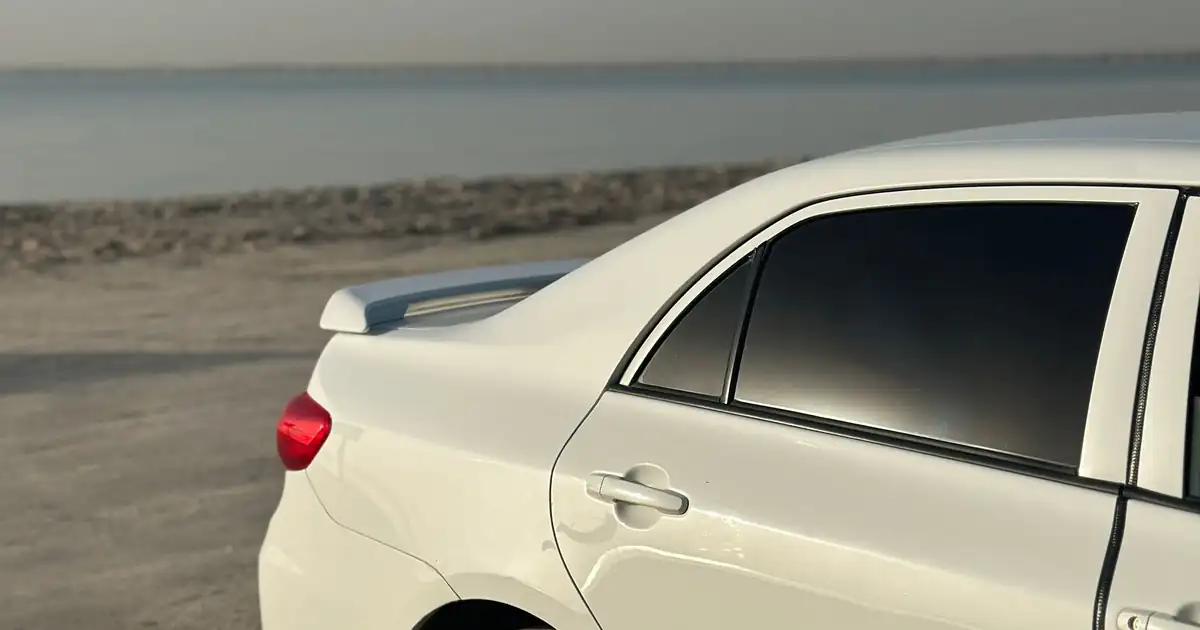
What are the best and worst years for a used Toyota Corolla?
The best used Toyota Corolla years are 2018 to 2022, 2011 to 2013, and 2007 to 2008. Avoid 2000 to 2002 for oil consumption, 2003 for transmission failures, and 2009 to 2010, which drew the most complaints of any Corolla. Treat 2014 to 2016, the first years with a CVT, with caution.
Is a used Toyota Corolla reliable?
Yes, as a rule. The Corolla has been sold since 1966 and is the best-selling car of all time, with well over 50 million built. Its reputation comes from decades of Toyota choosing durable, simple engineering and keeping running costs low, which is exactly what you want in a used car.
That does not make every year equal. A few model years drew far more owner complaints than the rest, usually in the first year of a new design or a new engine and transmission. Picking the right year is the difference between a car that runs past 200,000 miles with routine maintenance and one that burns oil or needs a transmission.
Toyota Corolla generations at a glance
Most used Corollas on the market today come from the last five generations. Knowing which one you are looking at tells you the engine and transmission, the typical problems, and what to check on a test drive.
| Generation | Model years | What a used buyer should know |
|---|---|---|
| 8th | 1998–2002 | Simple and durable, but 2000 to 2002 are known for burning oil |
| 9th | 2003–2008 | Transmission trouble in 2003; 2007 and 2008 are among the best; J.D. Power average 85.5 |
| 10th | 2009–2013 | 2009 and 2010 drew the most complaints; 2011 to 2013 are much better; average 86.6 |
| 11th | 2014–2019 | Larger body and the first CVT; early CVT complaints; average 86.8 |
| 12th | 2020–present | Newer platform, 2.0-liter option, and the first Corolla Hybrid; average 82.6 |
Toyota Corolla years to avoid
Lists of years to avoid do not agree perfectly, but the same handful come up again and again across reliability sources and federal complaint data. These are the Corollas to skip or approach with extra care.
| Model years | Verdict | Main problem |
|---|---|---|
| 2000–2002 | Avoid | Excessive oil consumption, often before 100,000 miles |
| 2003 | Avoid | Transmission grinding, clunking, and failure |
| 2009 | Avoid | Worst Corolla on record: oil consumption, water pump, steering, and airbag complaints |
| 2010 | Avoid | Carried over 2009 problems, especially steering drift and airbags |
| 2014–2016 | Caution | First CVT years: hesitation and shifting complaints |
Why those Corolla years have problems
The 2000 to 2002 Corollas are the oil burners. Owners commonly report adding oil between changes, sometimes with fewer than 100,000 miles on the car. An engine that burns oil and is allowed to run low can fail, and the real fix is major engine work, so most of these cars are only worth it at a very low price with proof the oil level was kept up.
The 2003 Corolla earned a Clunker rating from CarComplaints for its automatic transmission, which owners describe as grinding and clunking before it eventually fails. A transmission replacement can cost more than the car is worth.
The 2009 Corolla, the first year of the tenth generation, is the worst-rated Corolla since federal complaint tracking began, with more than 1,700 complaints to the National Highway Traffic Safety Administration. Owners reported oil consumption, water pump failures, and electric power steering that pulled or drifted at highway speed, which drew a federal investigation. The 2010 model carried most of those problems forward, with more than 1,550 complaints, 431 of them about airbags. Both years were also part of Toyota’s accelerator pedal and floor mat recalls.
The 2014 to 2016 Corollas are a softer case. The 2014 was redesigned, larger, and good for 32 mpg combined, but it introduced a continuously variable transmission, and early owners reported hesitation and uneven shifting. Many are fine; test-drive one in stop-and-go traffic and ask whether any transmission software updates were done.
Best Toyota Corolla years to buy used
The 2018 to 2022 Corollas are the strongest used buys today. Three of the four 2018 to 2021 model years were IIHS Top Safety Picks, J.D. Power gave the 2019 its top quality and reliability rating, and the 2021 and 2022 models drew fewer than 100 and fewer than 75 federal complaints respectively. From 2020 you can also find the Corolla Hybrid, which routinely returns around 50 mpg.
On a smaller budget, the 2011 to 2013 Corollas are excellent. The problems of 2009 and 2010 were sorted, safety ratings were strong, and the 2012 earned a Seal of Awesome from CarComplaints. Further back, the 2007 and 2008 models, with a 126-horsepower 1.8-liter engine, top several best-year lists, though at this age condition matters more than the model year.
| Budget | Years to target | Why |
|---|---|---|
| Newer | 2020–2022 | Current platform, strong safety ratings, Hybrid available, very few complaints |
| Middle | 2017–2019 | Proven 11th generation after early CVT complaints faded |
| Lower | 2011–2013 | Mature 10th generation with few complaints |
| Lowest | 2007–2008 | Durable 9th generation; buy on condition and records |
Most common used Corolla problems
Even good Corolla years have weak spots that show up with age and mileage. These are the problems owners report most often, and what to look for before you buy.
Common Toyota Corolla problems
- Excessive oil consumption, mainly 2000 to 2002 and 2009: check the oil level when the car is cold and look for blue smoke at startup
- Automatic transmission failure on 2003 models, and CVT hesitation on 2014 to 2016 models
- Airbag complaints and recalls, the most common complaint category for 2003 to 2010 Corollas
- Electric power steering drift on 2009 and 2010 models, felt as a pull or wander on the highway
- Water pump leaks, especially on 2009, shown by coolant loss or a sweet smell
- Check engine lights from the evaporative emissions system, often a loose gas cap or a faulty vent valve
- A musty smell from the air conditioning, caused by moisture in the evaporator
- Wiring with soy-based insulation that rodents chew, a risk for cars parked outdoors
- A failed coolant bypass valve on some 2020 and later models, which triggers a warning light
Recalls and repair costs on a used Corolla
Federal law requires safety recall repairs to be done free on vehicles up to 15 years old, no matter how many owners the car has had. Many older Corollas were covered by airbag recalls, and the 2009 and 2010 models by the accelerator pedal and floor mat campaigns. Enter the 17-character VIN at the NHTSA recall lookup, or ask the selling dealer for a printout showing every recall completed.
Outside recalls, the Corolla is one of the cheapest cars to keep on the road. Routine maintenance and common repairs cost less than on most competitors, which is a large part of why used Corollas hold their value. The expensive exceptions are the engine and transmission failures tied to the years listed above.
What to check before buying a used Corolla
The individual car matters more than the model year. Use this list on any used Corolla, and treat resistance to any step as a reason to walk away.
Used Corolla pre-purchase checklist
- Run the VIN for open recalls and get a vehicle history report for title, accident, and odometer records
- Ask for oil change records, and on 2000 to 2002 or 2009 models ask how often oil was added
- Check the oil level cold and look under the car for oil and coolant leaks
- Test-drive in stop-and-go traffic and at highway speed, feeling for transmission hesitation and steering drift
- Run the air conditioning and check for a musty smell
- Look underneath for salt corrosion on brake lines, fuel lines, and the subframe, which matters on any car that has spent winters on Long Island
- Confirm a current New York State inspection and have an independent pre-purchase inspection done
Which used Corolla is the best buy overall?
For most buyers, a 2020 to 2022 Corolla is the best balance of price, safety, and reliability, and a Corolla Hybrid from those years is the pick for anyone who drives a lot of miles. If the budget points older, a well-kept 2011 to 2013 Corolla with service records is one of the most dependable inexpensive cars you can buy.
Whatever the year, a used Corolla with documented maintenance and a clean inspection beats a lower-mileage one with no history.
Is any Corolla year truly bad?
Not by the standards of most cars. One reliability index that scored all 46 Corolla model years found none low enough to meet its avoid threshold, with every year scoring at least 70 out of 100. The years flagged in this guide are weak by Corolla standards. That is a good reason to pay less for one, or to choose another year, but a well-maintained example of any year can still be a sensible car.
Useful answers
More questions about buying a used car
What is the most reliable used Toyota Corolla year?
The 2018 to 2022 models are the most reliable recent years, with 2021 and 2022 drawing the fewest complaints. Among older Corollas, 2011 to 2013 and 2007 to 2008 have strong records.
Which Toyota Corolla years should I avoid?
Avoid 2000 to 2002 for oil consumption, 2003 for transmission failures, and 2009 and 2010 for the highest complaint counts. Approach 2014 to 2016 with caution because of early CVT complaints.
Which Corolla year has the most problems?
The 2009 Corolla, with more than 1,700 NHTSA complaints covering oil consumption, water pumps, steering, and airbags.
Do Toyota Corollas burn oil?
Some do. The 2000 to 2002 models and the 2009 model are known for excessive oil consumption. Most other years do not have a widespread problem.
Is the Corolla CVT reliable?
Early CVT years, 2014 to 2016, drew hesitation and shifting complaints. Later Corolla CVTs have a much better record, especially from 2020 on.
How many miles will a Toyota Corolla last?
With regular oil changes and maintenance, many Corollas pass 200,000 miles, and some go well beyond 300,000.
Next step
Where this leads next
Each link below answers the question this page usually raises next.