
Car maintenance
How much is an oil change? Prices by oil type and shop
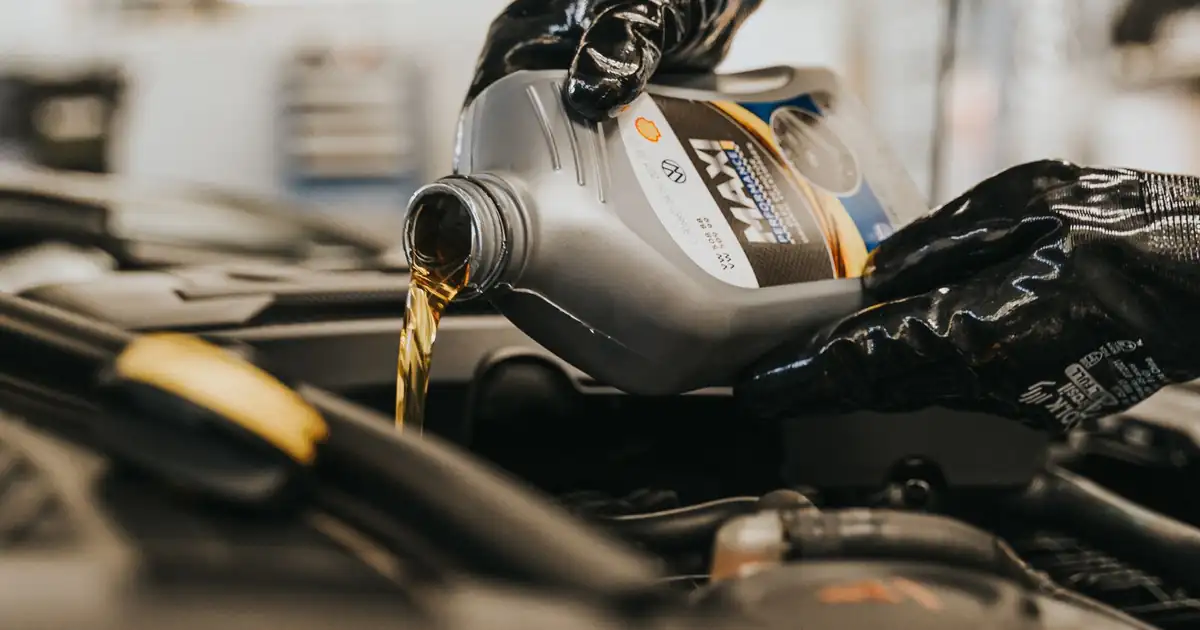
How much does an oil change cost?
Most oil changes cost $35 to $125. A conventional oil change typically runs $35 to $75, and a synthetic blend or full synthetic change $65 to $125. Dealerships charge toward the top of that range, and large trucks, SUVs, and European cars that need more or specialty oil can cost more.
Average oil change cost in 2026
An oil change is the most common service any car gets, and the price range is wide. Budget quick-lube promotions start around $20 to $40, while a full synthetic change at a dealership can pass $120. Yelp, which analyzed tens of thousands of quotes from shops across the country, puts the typical range at $39 to $119, with an average around $100 including the filter.
Where you fall in that range comes down to three things: the oil your engine requires, how much of it the engine holds, and who does the work.
Oil change cost by oil type
Your owner’s manual specifies the oil type and viscosity, such as 0W-20 or 5W-30. Most cars built in the last decade require synthetic or a synthetic blend, which is the main reason average oil change prices have risen.
| Oil type | Typical price | Best for |
|---|---|---|
| Conventional | $35–$75 | Older engines and light driving where the manual allows it |
| Synthetic blend | $50–$90 | A middle ground for engines that do not require full synthetic |
| Full synthetic | $65–$125 | Most modern engines, turbocharged engines, and long change intervals |
| High-mileage | $50–$100 | Engines past about 75,000 miles with minor seepage or oil use |
| Diesel | $80–$150+ | Diesel trucks, which hold more oil and use diesel-rated oil |
Oil change cost by type of shop
The same oil change can cost twice as much depending on where you go. Quick-lube chains are usually cheapest and fastest. Independent shops land in the middle and often include a quick inspection. Dealerships cost the most but use factory-specified parts and keep service records in the manufacturer’s system, which can matter for warranty claims.
| Where | Typical price | Trade-offs |
|---|---|---|
| Quick-lube chain | $45–$110 | Fast, no appointment; watch for add-on upsells |
| Big-box store auto center | $40–$90 | Low prices; longer waits on busy days |
| Independent repair shop | $65–$100 | Often includes an inspection by a mechanic who knows your car |
| Dealership | $80–$125+ | Factory parts and records; may include a multipoint inspection |
| Do it yourself | $35–$60 | Cheapest; you need tools, time, and a place to recycle the oil |
What you pay for in an oil change
A standard oil change includes draining the old oil, replacing the oil filter, refilling with new oil to the correct level, and, at most shops, a quick check of other fluids, tire pressure, and visible wear items.
| Item | Typical cost |
|---|---|
| Oil, usually 5 to 8 quarts | $30–$70 |
| Oil filter | $5–$15 |
| Labor | $20–$50 |
| Oil and filter disposal, shop supplies, and tax | $5–$10 |
Why oil change prices vary so much
Shops rarely post a single price because the bill depends on the car in the bay. A compact sedan might take 4.5 quarts of 0W-20, while a full-size truck with a V8 can take 8 quarts or more. Some European engines require oil that meets a specific manufacturer approval, which costs more per quart.
What raises or lowers the price
- Oil type and viscosity required by the manufacturer
- Oil capacity, which ranges from about 4 quarts in small cars to 8 or more in trucks
- Filter type, since some engines use cartridge filters or housings that take longer to service
- Access, such as skid plates or under-body panels that must come off first
- Location, with shops in larger metro areas, including much of Long Island, charging more
- Add-ons such as cabin or engine air filters, wiper blades, or fluid services
How to save money on an oil change
You do not need a coupon to get a fair price, but they help, and quick-lube chains run promotions often. Dealerships sometimes offer reduced-price oil changes when your car is in for other work, and many new vehicles come with a period of free scheduled maintenance.
The biggest saving is not paying for things you do not need. Use the oil your manual specifies rather than the most expensive one on the menu, decline a new air filter unless you can see it is dirty, and bundle the oil change with a tire rotation or inspection that is already due so you pay for one visit instead of two.
DIY oil change vs. paying a shop
Changing your own oil can bring the cost down to the price of the oil and a filter, usually $35 to $60. You will need a jack and stands or ramps, a drain pan, a filter wrench, the correct socket for the drain plug, and a place that accepts used oil for recycling, which most auto parts stores do.
A shop does the job in minutes, disposes of the old oil, and puts the car on a lift where someone can spot a leak, a torn boot, or worn brakes. On many newer cars, with under-body panels and cartridge filters, the time saved and the inspection are worth the difference.
How often you need an oil change
The old rule of every 3,000 miles no longer applies to most cars. With modern synthetic oil, manufacturers commonly specify 5,000 to 10,000 miles, and some allow more, with a time limit of six months to a year. Your owner’s manual and the car’s oil life monitor are the authority.
Use the shorter, severe-service interval if most of your driving is short trips, stop-and-go traffic, towing, or extreme heat or cold, which describes much of the driving on Long Island. Paying for an oil change more often than that, because of a sticker a shop put on the windshield, mostly adds cost.
What happens if you skip oil changes
Old oil loses the additives that keep it from breaking down. It thickens into sludge, stops flowing to tight passages, and lets metal parts wear against each other. The result can be a failed timing chain tensioner, worn bearings, or a seized engine, any of which costs many times more than years of oil changes.
Topping off low oil in an emergency is fine, but it is not an oil change. The old, contaminated oil stays in the engine and simply mixes with the new.
Useful answers
More questions about car maintenance
How much does a full synthetic oil change cost?
Usually $65 to $125, depending on how much oil your engine holds and where you go. Dealerships and European cars sit at the high end.
Is $70 a lot for an oil change?
No. $70 is a typical price for a synthetic or synthetic blend oil change on most cars, and a little high for a conventional oil change.
Is $200 a lot for an oil change?
For most cars, yes. It can be reasonable for a large diesel truck, a European car that needs approved synthetic oil, or a dealer visit that bundles in other services.
Can you go 2 years without changing your oil?
Only if the car is barely driven and the manual allows it, and even then most manufacturers set a one-year limit because oil degrades with time. Two years is too long for almost any car.
Does an oil change include a new filter?
A standard oil change should always include a new oil filter. Confirm it on the invoice.
Is an oil change worth it?
Yes. It is the cheapest way to prevent the most expensive engine repairs.
Next step
Where this leads next
Each link below answers the question this page usually raises next.